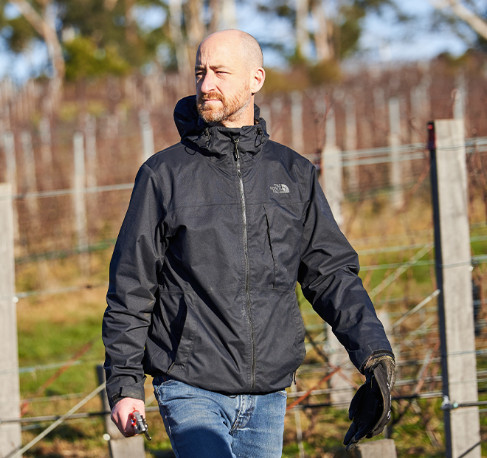
SPW 2027 – Dr Thomas Lines – Adelaide University

Co-founder, AgMap |  Research Fellow | School of Agriculture Food and Wine | College of SciencesADELAIDE UNIVERSITY

BIO – After completing my PhD, I moved back to Adelaide to take up an exciting role at Adelaide University’s Waite campus where an opportunity had come up to explore the impact of undervine cover crops on winegrapes. Under the mentorship of Chris Penfold and Prof Tim Cavagnaro, I studied two mature field trials, comparing a variety of cover crops in the Barossa Valley and Langhorne Creek wine regions of South Australia. We collected data on the cover crop’s impact on vine physiology, soil health, microbiomes and wine quality. I was also able to establish two new field trials in the Limestone Coast, exploring non-chemical weed-control options including mulching and mechanical weeding. The cover crop work was then extended the Riverland where extreme heat, extreme irrigation rates and extreme yields are the norm. In 2022 I organised and chaired a workshop at AWITC (the Australian Wine Technical Conference) on undervine cover cropping.

Since then I have continued research into sustainable soil management, turning to almonds, where effects are much slower to accumulate in the soil. Though I am still passionate about viticulture work and enjoy any opportunity to speak about vineyard soil.
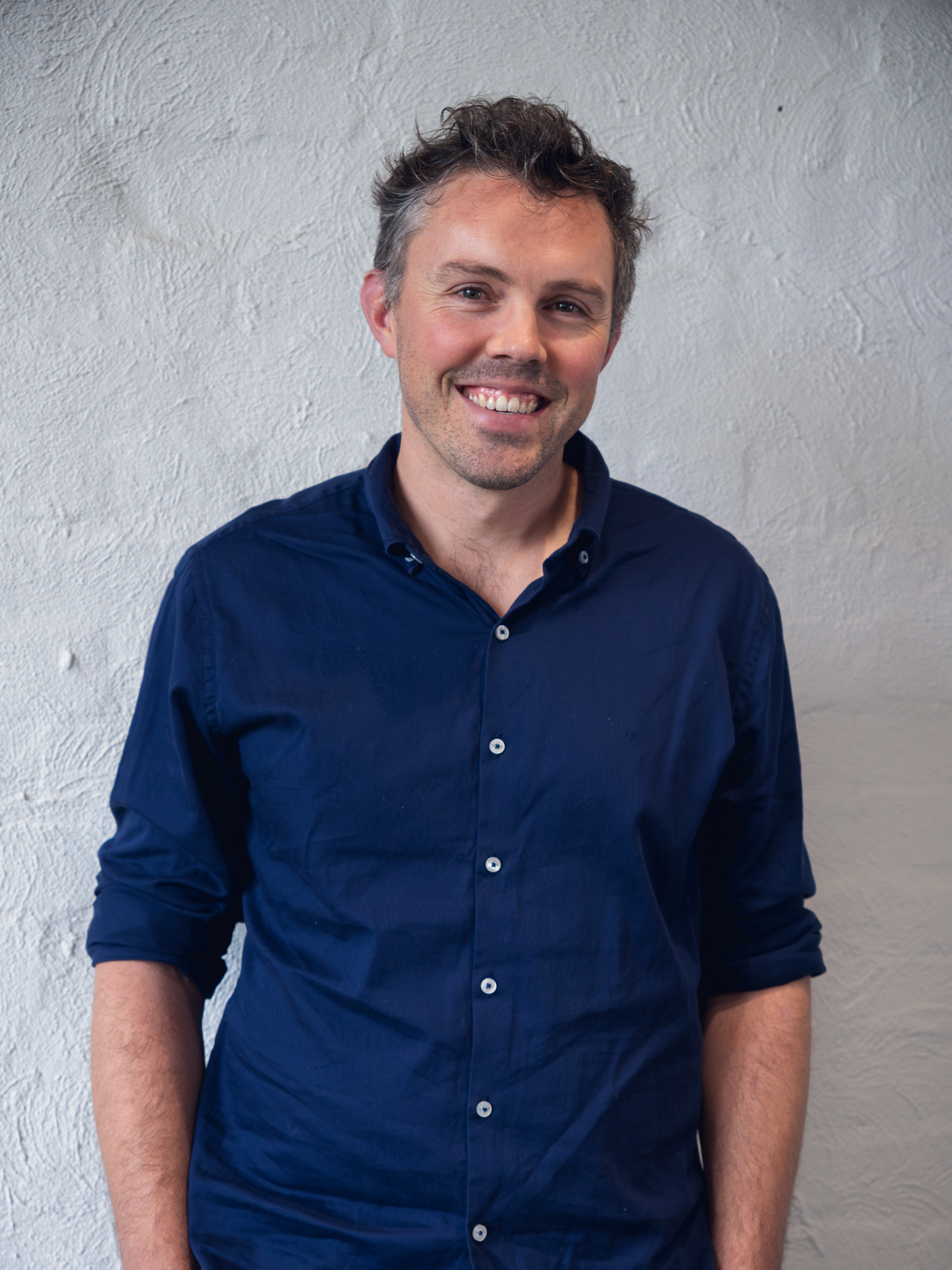
Dr Thomas Lines

SPW 2026 – Mimi Casteel from Hope Well Wine.

REGENERATIVE FARMING

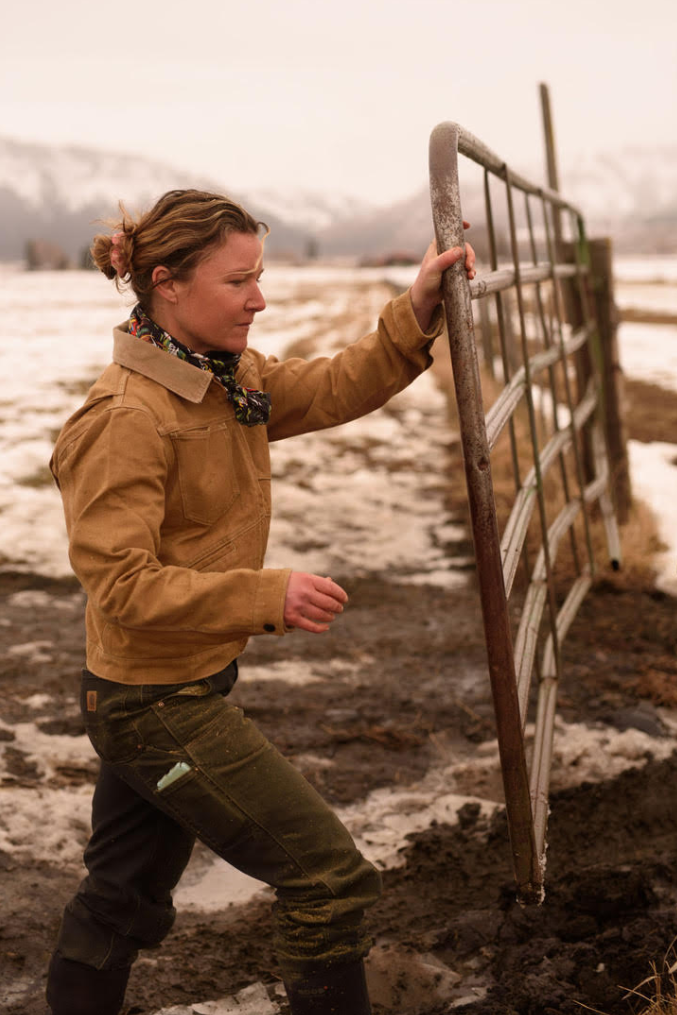
Mimi is the daughter of Ted Casteel and Pat Dudley, co-founders of Bethel Heights Vineyard. Growing up working in the vineyard and winery, Mimi gained such an appreciation for the industry that she promptly left home after high school. Armed with a BA in History and Classics from Tulane University, Mimi spent the next year working as a woodland fire fighter in various National Forests across the west. Her adventures fueled her passion for studying botany, forestry, and ecology. Mimi earned her Masters of Science from Oregon State University in Forest Science, and spent the next several years working as a botanist and ecologist for the Forest Service, living in the backcountry. A growing awareness of how private land management was affecting the health of the Earth’s bio systems led Mimi back to her agricultural roots, returning to Bethel Heights in 2005, along with her cousin and childhood best friend Ben to take the helm as second generation winegrowers and owners.
 
In 2015 Mimi left Bethel Heights and began her Hope Well journey, building an island of biodiversity and resilience on her own 80-acre farm, growing grapes for others to support the farm, and making wines to give a voice to the process of regeneration. Firmly convinced that moving from conventional to regenerative agriculture on working lands is the most powerful tool humanity has to reverse climate change, the mission of Hope Well has been to help spread the word by example, one farm at a time.
 
2020 changed everything. In 2020 the climate delivered a clear personal message that there is no time left for a one-farm-at-a-time strategy to address the climate crisis. In 2021 Mimi made the hard decision to move Hope Well, the wine, the sheep, the chickens, the children, the philosophy, the entire ethos, to a much smaller, integrated farm that allows for the time and personal capacity to do the work that needs to be done now, working with other farmers, building strategies and networks that can transform agriculture on a global scale while there is still time.

Mimi Casteel

SPW 2025 – Rob Walters – Place of Changing Winds

HIGH DENSITY ORGANIC VINEYARD FARMING

Place of Changing Winds is a high-density, organic vineyard and wine project in Victoria, Australia, founded by wine importer and author Robert Walters. It takes its name from Warekilla, an ancient Wurundjeri term for the location.

The idea of the Place of Changing Winds vineyard, and, long term, the running of our farm, is to create a largely self-contained environment, run without synthetic chemicals and with a system of practices that we believe maximize quality and expression of place. The vines were planted here between 2012 and 2018 to a density of 10,000, 12,000, 14,500, 20,000, 25,000 and 33,000 thousand vines per hectare. The logic behind these high density plantings are various and complex but in simple terms they help to force the vine roots down, making the vines pump from the sub soil, and they reduce the yields per vine significantly. The aim is to create vines with a naturally balanced canopy and fewer, smaller bunches that we hope will produce wines of great quality and great expression of place. If all goes well, we will get perhaps 400gm of fruit per plant – a very low figure. As it stands our yields are currently less than 200 gm per yielding vine. Of course, high density will not work for every place and, on its own, is no guarantee of quality.

Robert Walters